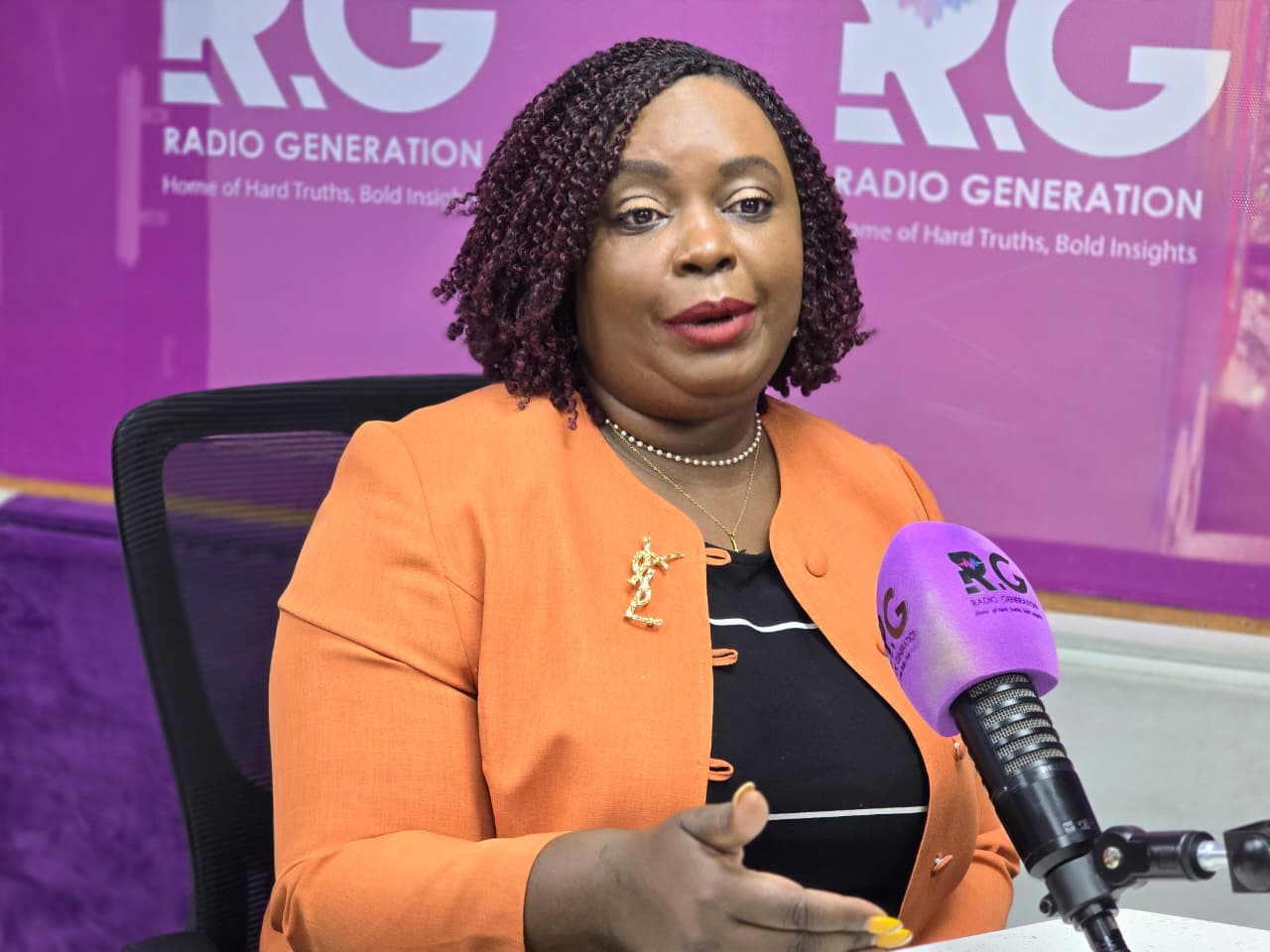
AMWIK Chairperson Robi Koki Ochieng has urged Kenyans to rethink traditional gender roles, saying men and women share equal responsibility in society.
She linked gender-based violence to outdated norms, economic pressures, and entrenched attitudes.
Koki called for open family conversations, fair sharing of duties, and greater male involvement in childcare to curb harm and disempowerment.
AMWIK Chair, Koki, on Wednesday, argued that traditional gender expectations continue to fuel conflict and abuse.
“Because of power dynamics and entitlement, men often feel they must maintain authority. This mindset contributes to harmful practices like early marriage, female genital mutilation, and the general marginalization of women and children,” she said.
She highlighted how economic pressures exacerbate gendered conflicts, particularly where men tie their identity to provision.
“Many men identify themselves through their jobs and qualifications. When they lose employment, they feel emasculated, and that frustration can manifest as violence,” Koki explained.
She cited cases where failed co-parenting arrangements and job loss had pushed men to extreme thoughts, reaffirming the urgent need for intervention and counseling.
The AMWIK Chair emphasized that gender is not just a women’s issue.
“Gender is about everyone in society, including men and children. The idea is to ensure society is reflective and not to inflict violations. For example, a girl married at 16 loses parental love, education, and economic opportunity. She is disempowered from the beginning,” she said.
She called for changing perceptions among men in communities traditionally associated with harmful practices.
“If men who were once at the forefront of harmful traditions like FGM begin rejecting them and taking active caregiving roles, younger generations will learn new, equitable norms. Seeing fathers carry their children changes mindsets,” she added.
The discussion also touched on the role of parenting and education in fostering equality.
“We need to slowly change the mindset. Children should see that everyone can participate meaningfully in household responsibilities, regardless of gender. Parenting is not part-time, it is a mindset and a commitment,” She recalled.
She further stressed the importance of vivid storytelling in raising awareness.
“Statistics alone don’t convey the real impact of violations. Using personal stories and lived experiences creates consciousness in both genders about expectations, rights, and responsibilities,” Koki noted, citing the increasing prevalence of technology-facilitated sexual exploitation and online abuse.
Highlighting broader societal implications, she called for practical steps to reduce conflict.
“Conversations about wealth, provision, and responsibilities must be realistic. Families must discuss adjustments for life changes such as job loss, co-parenting, and shifting roles. Without this, frustrations can escalate into GBV,” she said.
The AMWIK Chair also emphasized equity in decision-making. “Gender activism has evolved from functional participation to conflict framing and now towards equity and equality. Everyone should have access to resources and a say in decisions. When society aligns with these principles, both men and women benefit, and social cohesion strengthens,” she said.
She concluded by urging communities to challenge harmful norms collectively.
“Many men and women are internalizing outdated roles that cause harm. Change begins with discussions at home, active male involvement in caregiving, and a shared understanding that everyone deserves dignity, protection, and opportunity,” she stated.






























Comments
Sign in with Google to comment, reply, and like comments.
Continue with Google